
Why Your DeFi Browser Wallet Deserves More Than a Password
Okay, so check this out—DeFi moved fast. Faster than most of us were ready for. At first it was fun: connect, swap, stake, repeat. But then you start seeing weird approvals, phantom transactions, and wallets drained at 3 a.m. Whoa. My instinct said something felt off about treating a browser extension like it’s the same as a mobile app. And that gut feeling was right.
Here’s the thing. Browser-extension wallets are incredibly convenient. They live in your browser, they talk directly to dApps, and they make multi-chain interactions feel effortless. But convenience is a two-edged sword. You’re giving software direct access to interact with financial systems. That requires a different level of hygiene and a few practical guardrails—some technical, some habit-based—that most users skip.
I’ve used several multi-chain extension wallets in the past few years. Some are jaw-droppingly polished. Some…bugs me. I’ll be honest: I’m biased toward wallets that prioritize explicit permission controls and clear UX around approvals. It’s not sexy. But it’s life-saving.
Common failure modes (and how they sneak up on you)
Phishing is number one. It’s low-tech, high impact, and often invisible until it’s too late. A malicious site or a spoofed domain prompts you to connect your wallet, and you give implicit approvals. On the surface it looks normal. The red flags are subtle—something like a subtle URL typo or an unfamiliar UI element. At scale, attackers rely on fatigue and speed. You click before you think. Seriously.
Then there are approval overreach issues. Many tokens and contracts ask for “infinite approval” so you don’t have to approve every single swap. That’s convenient, yes—but it’s effectively giving a contract a standing order to move your tokens. On one hand it’s efficient; on the other, it means a compromised or malicious contract can sweep your balance without asking again.
Smart-contract bugs and rug pulls are another class. You might be fine approving a legitimate-looking vault, but under the hood the contract has an admin function that can drain liquidity. Some exploits are sophisticated, others are laughably simple schoolyard tricks, and either way the losses are real.
And let’s not forget extension-level risks: malicious extensions that request excessive permissions, supply-chain attacks that tamper with wallet updates, or clipboard malware that swaps addresses during copy-paste. The browser is a hostile environment if you don’t treat it like one.
Practical defenses that actually work
Start with the basics—seed phrase hygiene. Store your seed offline. Use a hardware wallet for large balances. Period. Small balances for day-to-day use? Keep them in a separate account. I know, it’s annoying. But think of it like a checking account vs. a safe-deposit box.
Use wallets that support granular approvals. A lot of modern multi-chain extensions let you limit allowances per contract, set expiration times, or sign single-use permits. Those features reduce blast radius. When you grant a tiny, time-limited allowance, an exploited contract can’t drain everything. That’s a huge improvement over blanket „infinite“ approvals.
Review transactions carefully. This sounds obvious but in the heat of clicking through a DEX UI you’ll breeze past gas fee warnings, memos, and even delegate approvals. Pause. Read the text in the wallet popup. If something mentions „approval“ or „allowance,“ ask: does this contract really need long-term access?
Keep your browser clean. Minimal extensions, regular audits of installed add-ons, and a dedicated browser profile for DeFi reduce attack surface. Also, use reputable sources to download wallets and extensions—double-check the domain and the extension publisher. If you see typos or unofficial domain names, back off—don’t be the one to test them.
Consider transaction simulation and transaction preview tools. Some wallets and third-party tools show decoded calldata or simulate the executed steps of a transaction. Seeing “transferFrom” or an unexpected “approve” line gives you context. It’s like reading the fine print before signing a legal contract.
Choosing the right multi-chain extension wallet
Not all multi-chain wallets are equal. Here’s what I look for:
- Explicit permission controls—per-contract allowances, not just global approvals.
- Clear UX for signing, with plain-language explanations of what an approval does.
- Support for hardware wallet integration—so you can sign critical transactions offline.
- Open-source code or rigorous audits—transparency matters.
- Active community and responsive support—bugs happen; how the team reacts is telling.
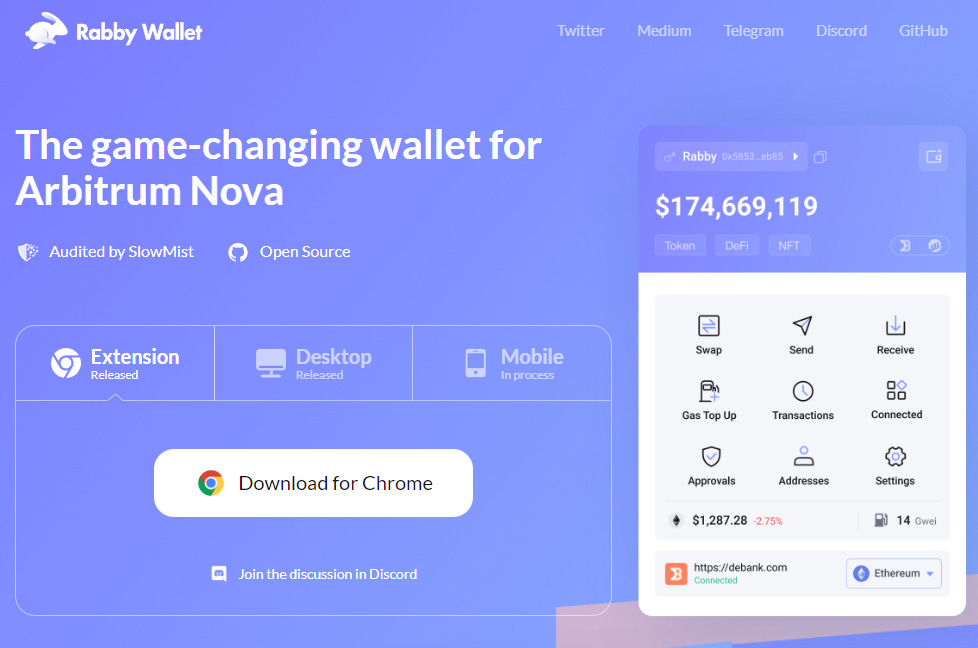
For anyone exploring alternatives, I recommend trying wallets that make permission management a first-class feature. One good example to check out is rabby, which focuses on clear approval flows and multi-chain support. I don’t mean to shill—this just aligns with what I think makes a wallet safer in real use.
Another tip: use chain-aware wallets that warn you if a site is trying to interact with a contract on a network you didn’t expect. Accidentally approving a contract on a testnet or a random chain is a known source of losses for users who multitask across chains all day.
When things go wrong: immediate steps
If you see unauthorized activity, act fast. Revoke approvals for suspicious contracts—there are reputable on-chain explorers and wallet UIs that show allowances. And move remaining funds to a new wallet, ideally one tied to a hardware key. Notify the project and the exchange (if applicable). File a report. Don’t gloss over the embarrassment—time matters.
Also, consider making small, controlled experiments. Test a token with a tiny amount first. That practice catches UX traps and reveals hidden approval requests with negligible downside. It’s tedious, but it reduces the chance of catastrophic loss.
FAQ
Q: How often should I check approvals?
A: Every few weeks if you’re active, and immediately after connecting to a new dApp. It only takes a minute to audit allowances and revoke anything suspicious.
Q: Is a hardware wallet necessary?
A: For any significant holdings, yes. They vastly reduce the risk of browser or malware-based key exfiltration. For small, experimental positions, a software extension is fine—but segregate funds.
Q: What about „infinite approvals“—are they always bad?
A: Not always. They’re convenient for traders, but they increase exposure. Prefer single-use or time-limited approvals when possible, and only use infinite approvals for contracts you trust and interact with frequently.
Look, DeFi is awesome. It’s also messy, and it asks users to play a role usually reserved for custodians and risk managers. That’s the trade-off. If you treat your browser wallet like a high-sensitivity tool—segment funds, use hardware for the big stuff, and demand explicit, granular permissions—you’ll sleep better. Maybe even enjoy DeFi again.